Global Initiatives Grant Report – Capacity Building and Network Expansion for the Pan-African Consortium for Human Evolution (PANACHE) Training Network
In June 2024 Rebecca R. Ackermann received a Global Initiatives Grant to build capacity in anthropology for her project, "Capacity Building and Network Expansion for the Pan-African Consortium for Human Evolution (PANACHE) Training Network." Below is her report.
Building a Pan-African Future for Human Origins Research
Africa is the birthplace of humanity and home to some of the most significant fossil and archaeological evidence for understanding where we come from. Yet, despite this deep heritage, African scholars are still dramatically underrepresented in the field of human origins research. For more than a century, the story of human evolution has been shaped largely through Western institutions, Western funding structures, and Western interpretations of African archaeological and fossil materials. This imbalance has affected not only who gets to participate in research, but also how the science itself is framed – including whose histories are told and whose knowledge is centered.
The PANACHE (Pan-African Consortium for Human Evolution) Training Network was created to help change that landscape. Supported by the Wenner-Gren Global Initiatives Grant, the initiative focuses on building capacity, community, and long-term collaboration among early-career African scholars working in human evolution research. Rather than relying on extractive models – where international teams arrive to collect samples or conduct excavations and leave with the data – PANACHE strengthens infrastructure and expertise within the continent. The goal: a future in which African researchers are at the forefront of human evolution research, collectively designing research agendas and leading the conversations about Africa’s deep past.
What Happened During the Grant Period
With Wenner-Gren support, we implemented the first structured year of PANACHE training network activity. This period focused on three pillars: training and mobility, building a cohort and community, and strengthening institutional networks.
Training and Mobility
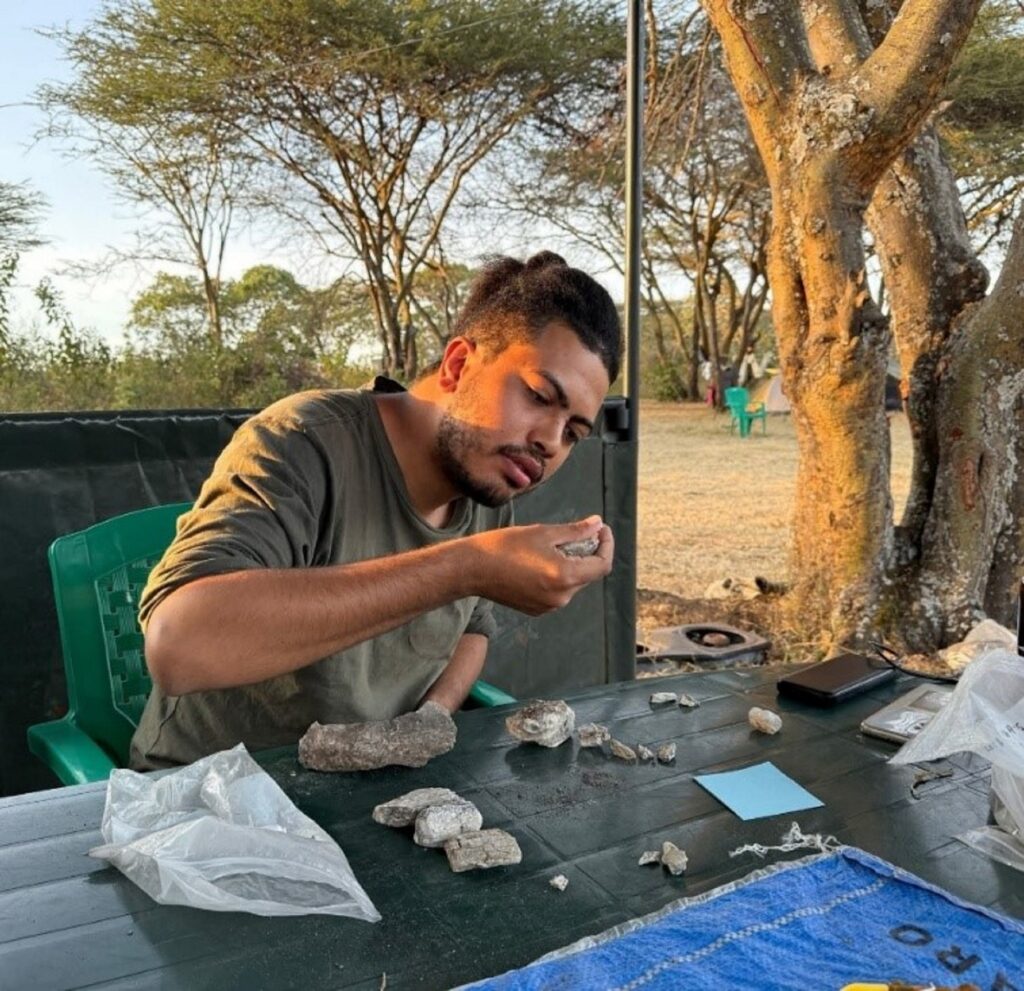
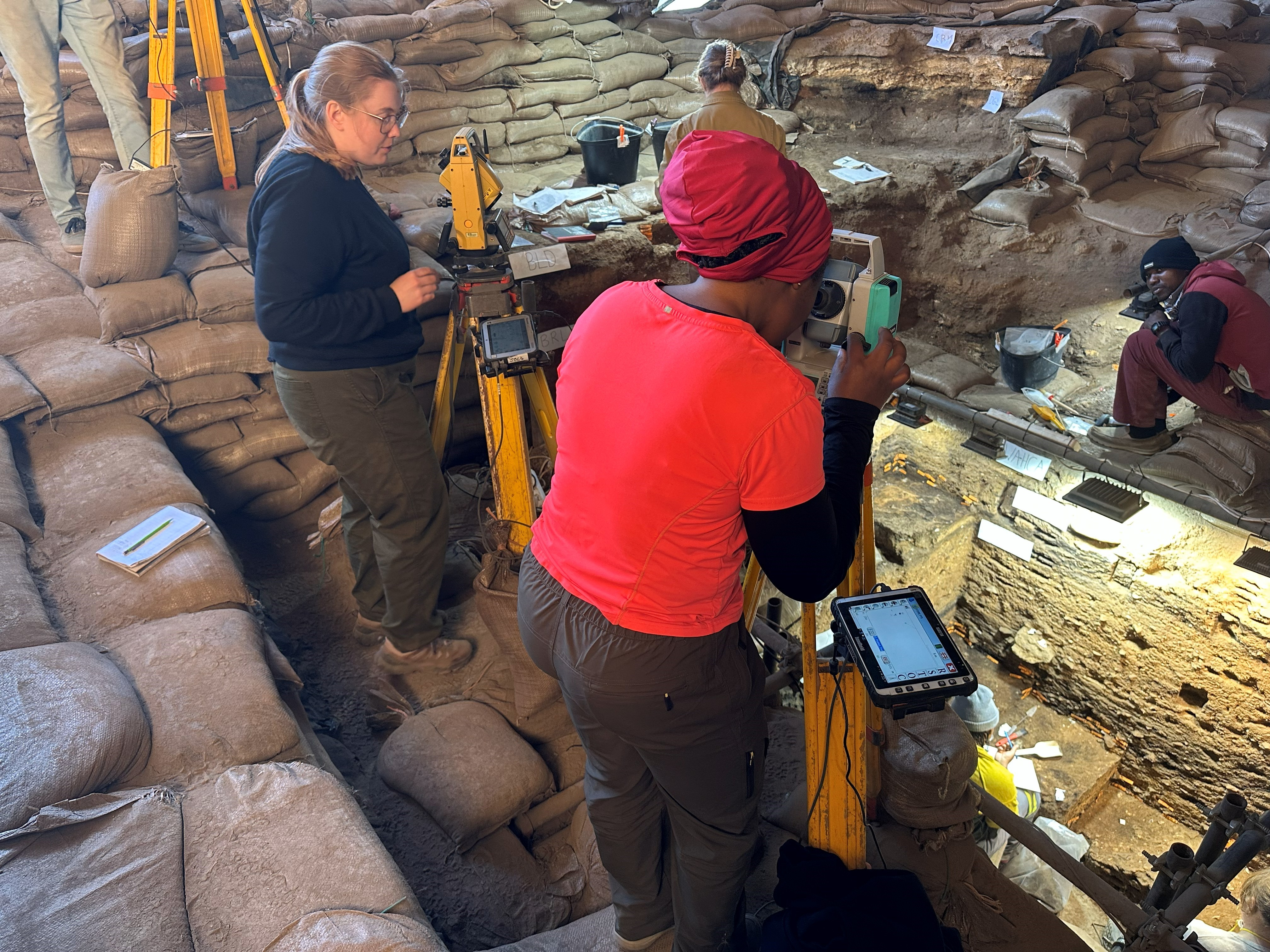
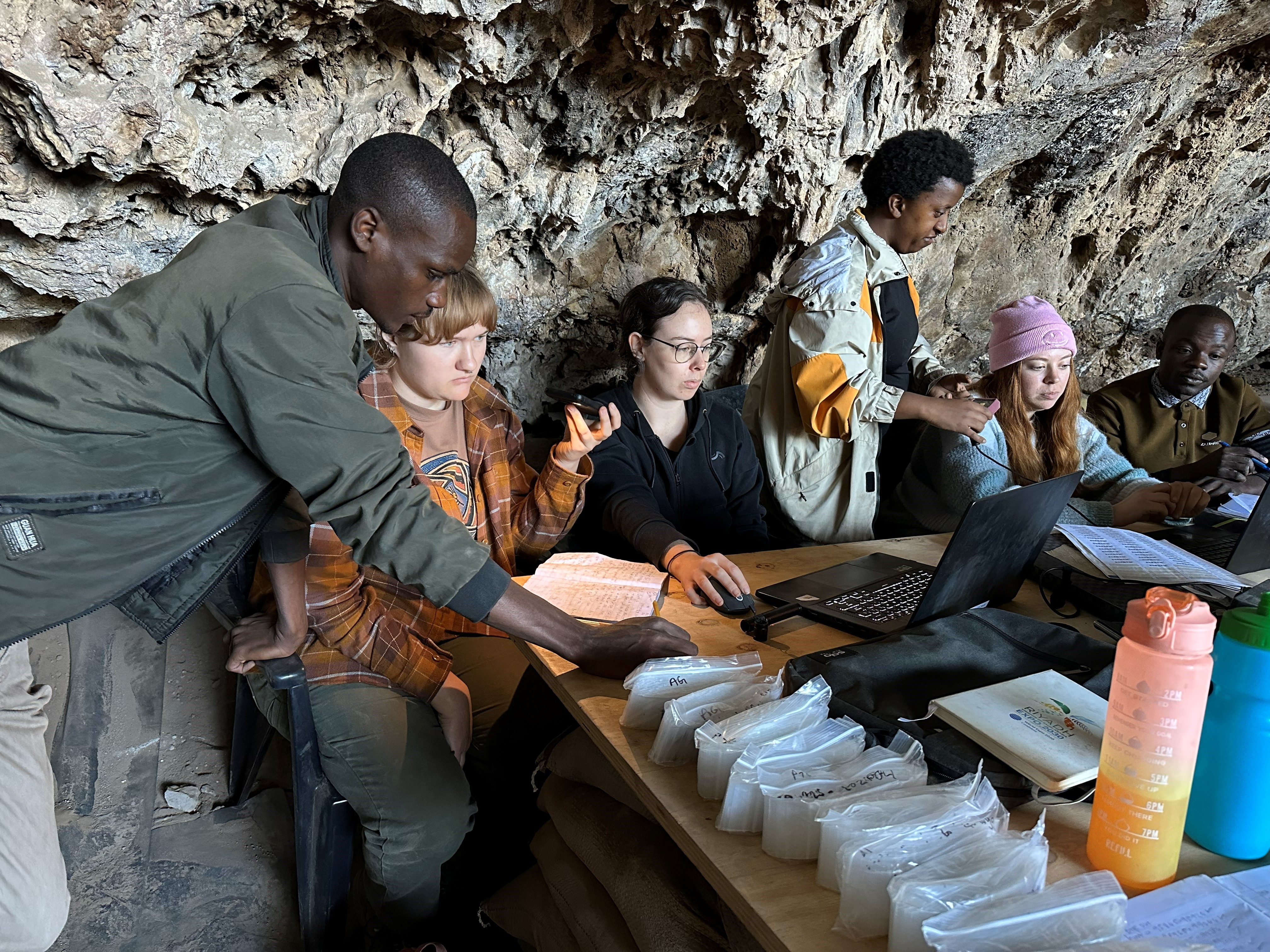
Funding was used to support student travel between eastern and southern Africa for training, laboratory skills development, and field research. For this funding cycle, we had four opportunities that were taken up by students: Stable Isotope laboratory training (4 students -South Africa); Boomplaas archaeological site field training (5 students – South Africa); Laetoli hominin site field training (2 students – Tanzania); Chesowanja & Kanapoi hominin site field training (2 students – Kenya). This movement across institutions helped break down the historical separation between eastern and southern African research communities, a divide reinforced by uneven funding, colonial legacies, and limited academic mobility.
Building a Cohort and Community
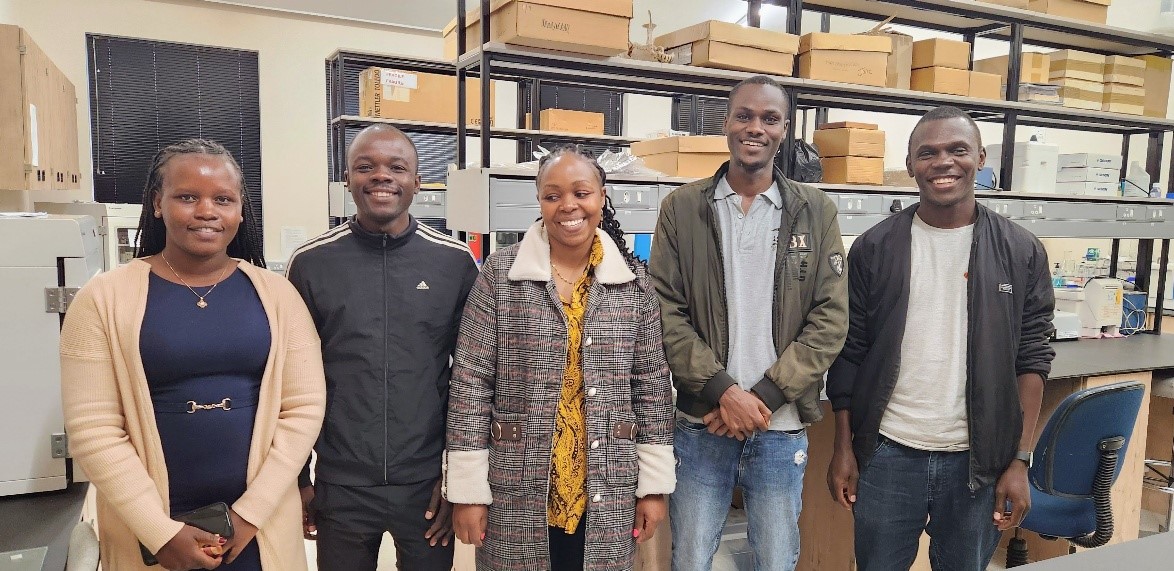
One critical problem the PANACHE training network seeks to address is isolation. Many African students pursuing advanced training in human origins research are the only specialists of their kind at their institution, or sometimes in their entire country. The Wenner-Gren GIG funding, supported 9 students in total (some attended more than one activity). At each of the laboratories/sites, students engaged with each other as well as other African researchers and students. The network created opportunities to meet peers, build relationships, share resources, and envision careers grounded in African research contexts rather than in international dependency.
Strengthening Institutional Networks
While individuals benefited directly, the broader outcome was institutional: forging new collaborations across museums, universities, and field sites spanning southern and eastern African countries. It is early in the creation of the PANACHE training network, but we are confident that these growing relationships will lay the foundation for long-term joint research, shared infrastructure, and a sustained African-led research ecosystem.
Early Impacts
Even in its early stage, the program has already seen tangible outcomes. Previous pilot training helped students pursue advanced degrees and incorporate new scientific methods – such as palaeoproteomics – into African-led research design.
This year, students reported gaining:
- Confidence navigating new scientific spaces
- Access to tools, collections and resources rarely available in their home institutions
- A sense of belonging in a Pan-African research community
- Practical experience working in labs and field projects across the continent
“The students excelled at this year’s field school. They did their respective institutions and countries proud by demonstrating strong training, enduring enthusiasm, and a remarkable commitment to deepening their understanding of the southern African archaeological record and cutting-edge field methods. They worked with care, supported one another, and quickly became central to our field team—an absolutely outstanding group to teach and collaborate with and true exemplars of the bright future of African Paleosciences!” Dr Justin Pargeter (Boomplaas) on W-G supported participants.
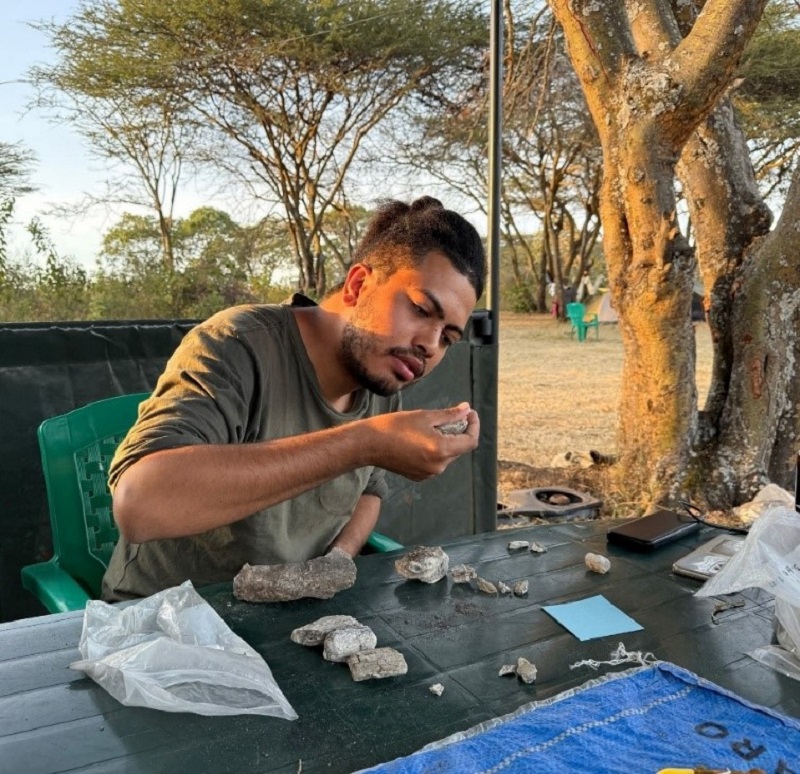
“[The students] participated in all field-based instructions, they were very eager to learn, at the campsite they interacted with their peers and other field participant. They also learned Kiswahili from our field crew and camp support team. In general, both [students] became an integral part of our team.” Prof Charles Musiba (Laetoli) on W-G supported participants.
“The students learnt a great deal on fossil identification in the field, were introduced to different depositional environments in eastern Africa, and did fossil hunting. They are wonderful students and got along very well with the rest of the crew members. Very quick to learn and also curious to learn more. The fieldwork will certainly shape their careers in palaeosciences.” Dr Fredrick Kyalo Manthi (Chesowanja and Kanapoi) on W-G supported participants.
Perhaps most importantly, multiple students expressed that the network changed their sense of what was possible – not just individually, but collectively. Already students have expressed interest in incorporating new techniques into their future research plans, continuing their studies at institutions they visited, and in collaborating with each other, which will further solidify connections between African students, researchers and institutions.
Looking Ahead
The Wenner-Gren grant enabled the first major phase of the PANACHE and has helped the network demonstrate its model and build momentum. Our intention is to leverage this towards larger, multi-year funding. In 2026/7 additional funding (already secured) will be used to grow the network to include other institutions and countries in Africa. The long-term goal is a fully operational, continent-wide training platform that supports postgraduate students, encourages ethical and socially responsive research, and prepares scholars for careers both inside and outside academia.
This work sits within a broader transformation in anthropology and palaeoanthropology: moving beyond extractive science toward participatory, reciprocal, community-driven practice grounded in African expertise. With continued investment and partnership, PANACHE and its training network will help ensure that the story of human origins is researched, taught, debated, and told for and by the people most connected to its heritage.