Grantee
Affiliation
Year Funded
Lei Chang
Chinese U. of Hong Kong
2025

Conservation in Practice: Wild Elephants, Rural Lives, and Infrastructure in Xishuangbanna, China
WHAT IS YOUR PROJECT ABOUT?
A:
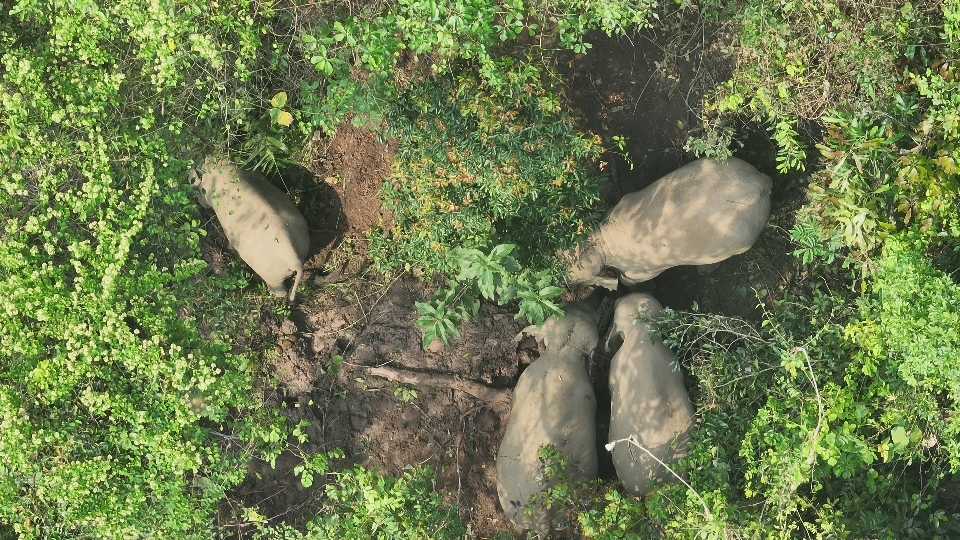
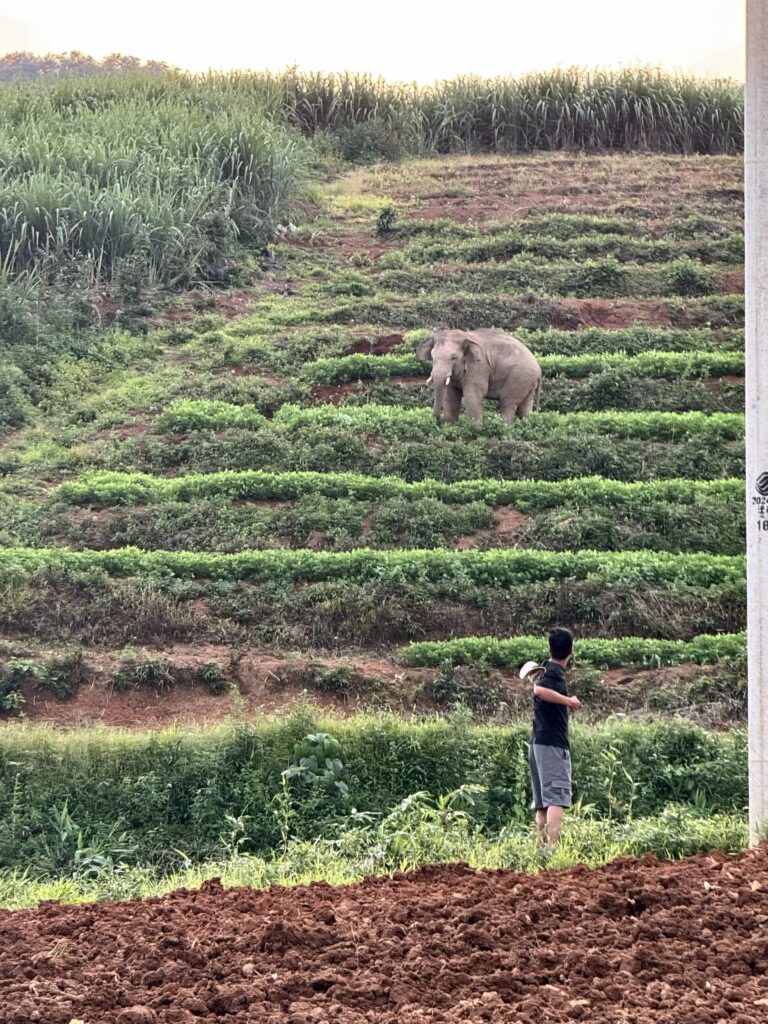
My project explores how people in rural communities in China’s last tropical rainforest live alongside wild Asian elephants—which frequently forage in fields and damage crops—in a landscape increasingly shaped by conservation efforts.
Q:
WHAT FIRST DREW YOU TO THIS RESEARCH?
A:
I was drawn to this topic after the widely publicized journey of 17 wild Asian elephants from the Xishuangbanna Nature Reserve to Kunming in 2021, traveling more than 500 km across southern China and drawing nationwide attention as they moved through human-inhabited areas. What appeared as an exceptional event to the public reflects a more ordinary reality in villages near nature reserve areas, where people and wildlife lived in the same environment.
WHAT IS ONE MOMENT FROM YOUR FIELDWORK THAT HAS STAYED WITH YOU?
A:
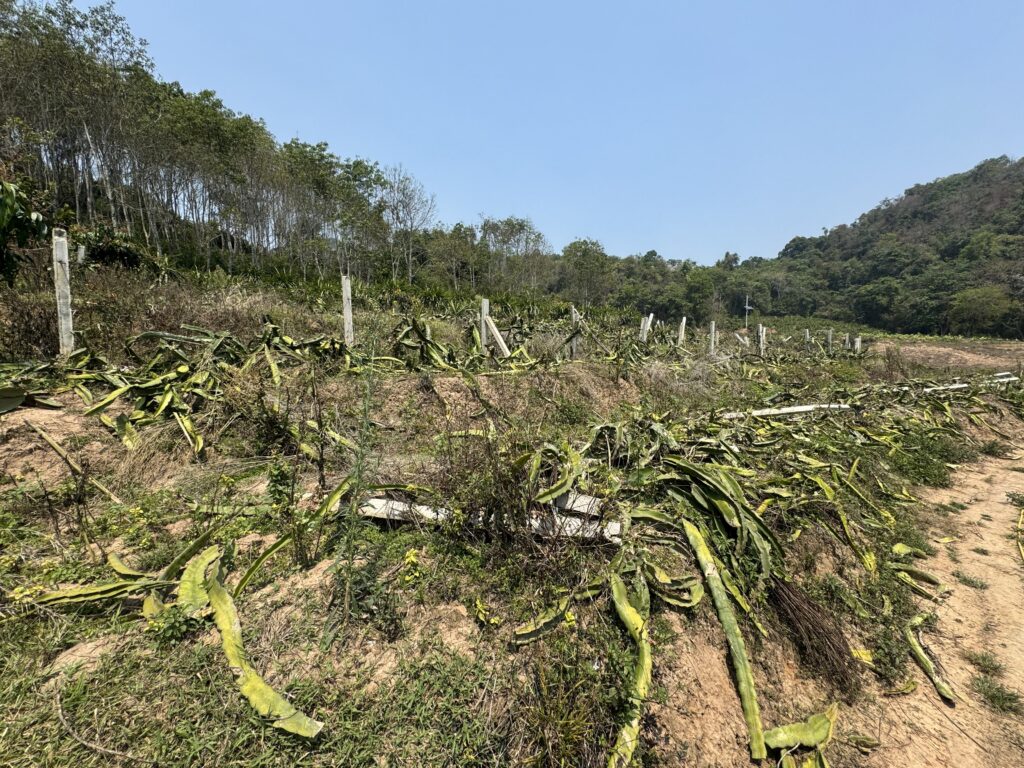
The first time I saw a farmer’s field completely flattened by wild elephants, I watched a grey-haired woman slowly bend down to pick up scattered corn cobs from the soil, as if this kind of loss was part of everyday life. The contrast between the shocking damage and her quiet acceptance has stayed with me.
WHAT MOST SURPRISED YOU IN THE COURSE OF THIS PROJECT?
A:
What surprised me most was the intelligence and agency of wild Asian elephants. They are not endangered species passively waiting to be managed or rescued. Rather, they are highly adaptive actors in the landscape, often finding ways to outmaneuver farmers’ efforts to protect their crops.
Q:
WHAT DO YOU HOPE PEOPLE OUTSIDE YOUR FIELD WILL TAKE AWAY FROM YOUR WORK?
A:
Wild animals and human communities are increasingly sharing the same spaces, often under conditions of tension and uncertainty. These relationships are lived unevenly, especially by rural communities who bear much of the responsibility and risk of coexistence.