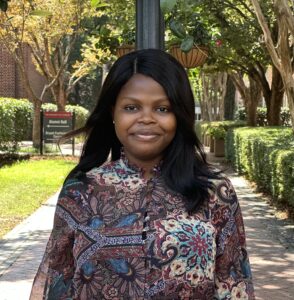
To Support Training in Biocultural Medical Anthropology
I am a second-year Ph.D. student in biocultural medical anthropology at the University of Alabama. I earned a Bachelor of Science in archaeology from the University of Ibadan, Nigeria, where I developed a strong foundation in anthropological theory and research methods. During my undergraduate training, I conducted my first independent research project on ethnomedicinal practices among the Yoruba of southwestern Nigeria. This project introduced me to the importance of centering Indigenous knowledge systems in health research and solidified my commitment to pursuing anthropology as a career.
Since then, my academic journey has been shaped by a sustained interest in how health, culture, and social structures intersect to shape lived experiences. My doctoral research focuses on the psychological and social dimensions of living with chronic illness, particularly Sickle Cell Disease (SCD) in Nigeria. I am interested in examining how stigma and socioeconomic inequalities interact to shape health outcomes. I also seek to understand what care, support, and everyday survival look like for individuals living with SCD within families, communities, and healthcare systems.
Beyond my primary research focus, I am deeply committed to community-based participatory research. To strengthen my training in this area, I am currently involved in community-engaged research projects in central and south Alabama. Working closely with my advisor, I contribute to an interdisciplinary project examining the impact of Per- and Polyfluoroalkyl Substances (PFAS) exposure on adolescent athletes. This work has provided valuable experience in collaborative research design, building community partnerships, and translating research findings into meaningful public conversations—skills I hope to apply in my dissertation research in Nigeria.
I chose the Ph.D. program at the University of Alabama because of its emphasis on biocultural approaches to health and its strong commitment to engaged anthropology. I was particularly drawn to working with faculty whose research focuses on global health, inequality, and the social determinants of health. The program’s supportive academic environment, combined with opportunities for teaching, mentorship, and professional development, has made it an ideal setting for me to grow as both a scholar and an engaged anthropologist.