The Question of Nature in Linguistic Anthropology
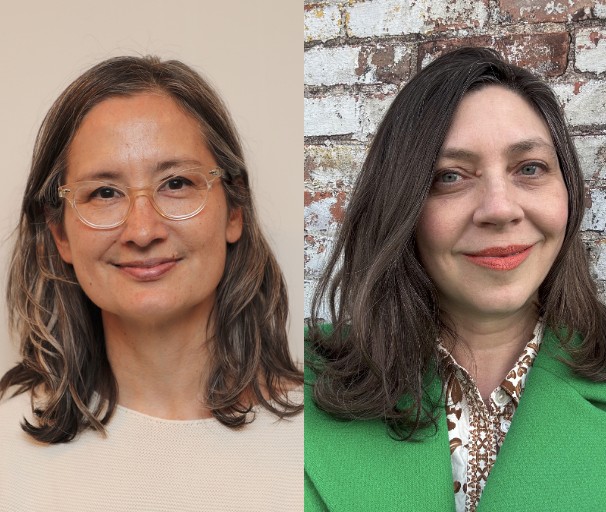
In 2025, the Foundation awarded Angela Reyes (Hunter College and CUNY Graduate Center) and Erika Hoffmann-Dilloway (Oberlin College) a workshop grant titled, “The Question of Nature in Linguistic Anthropology: Language Within and Beyond the Human.” Below is an interview about their work.
Q: WHAT IS YOUR PROJECT ABOUT?
A: Our grant supported a workshop to explore how the concept of “nature” figures in our work as linguistic anthropologists. How do our ethnographic participants orient to nature as something inside or outside of humans? How does our research trace naturalizing processes or ecological relations in the communities we study? What is the role of language and broader semiotic processes in the production of natural worlds and kinds?
Q: WHAT FIRST DREW YOU TO THIS TOPIC?
A: We were first drawn to this topic after noticing how our ethnographic participants oriented to things as “natural” and “unnatural” in our fieldwork. In the Philippines (Reyes), participants were distinguishing between being a “natural” elite and becoming an elite “naturally.” In Nepal (Hoffmann-Dilloway), participants were navigating distinctions between “natural” and “unnatural” language when ratifying new words in Nepali sign language.
Q: HOW HAS WENNER-GREN SUPPORT SHAPED YOUR PROJECT?
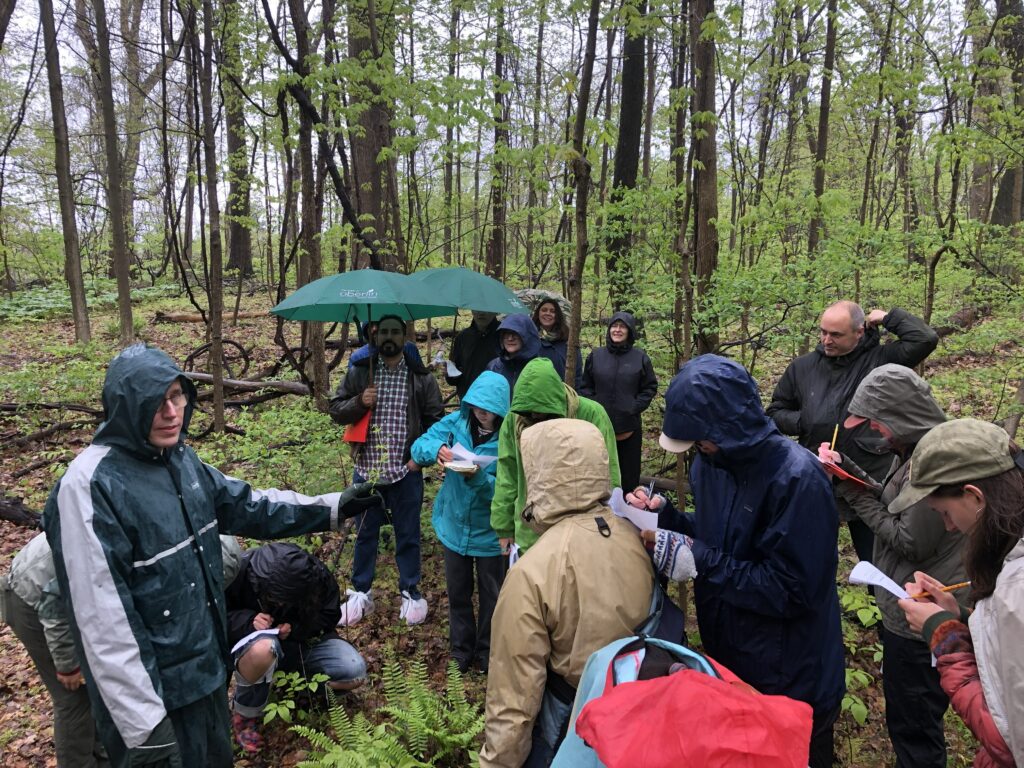
A: Because the Wenner-Gren application required us to think seriously about why this workshop needed to take place in-person, it allowed us to imagine, in surprising ways, how interdisciplinary encounters could inform our research. We incorporated two carefully planned visits to the field sites of Oberlin professors of music and biology. This fostered in-depth discussion of cross-disciplinary perspectives on nature as well as hands-on experience with their objects and methods of analysis, such as identifying plants in a forest and manipulating sounds in a studio.
Q: WHAT IS ONE MOMENT FROM YOUR WORK THAT HAS STAYED WITH YOU?
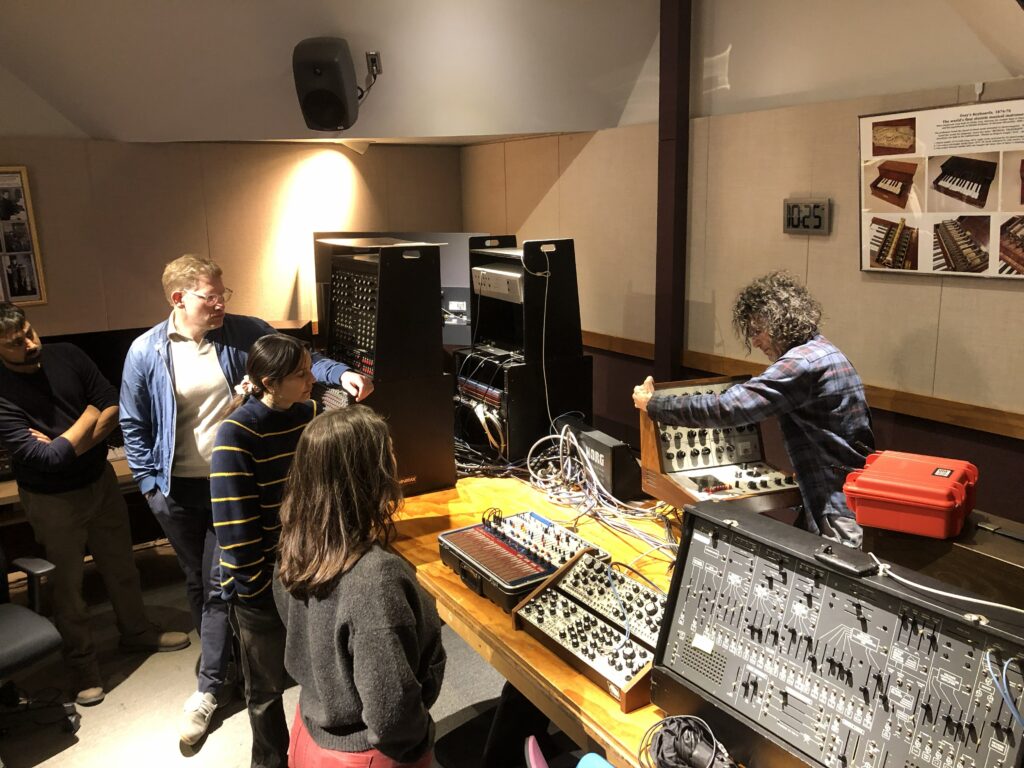
A: During our visit to Oberlin’s Technology in Music and Related Arts Studios, our host professors introduced two of their works that dealt differently with field recordings. One professor walked us through her practice of recreating a bird call through synthesizers (musing about making “fake nature” sound “organic”). The other professor showed us how he digitally manipulated the sound of fire to reveal hidden tones—a process he compared to opening a “geode.”
These two music professors—along with a biology professor from our other field trip—provided direct inspiration to workshop participants, who began conceptualizing their own work as similarly drawing on and reaching back to “nature” as itself or as concept.
Q: WHY DOES THIS WORK MATTER RIGHT NOW?
A: Our rationale for nature as an anthropological imperative builds from the observation that discourses about nature often frame matters of global urgency. If far-right nationalism, AI panic, and environmental collapse are pressing issues of our time, we argue that nature is not beside these issues, but fundamental to them.
This is because things like politics, technology, and climate—and our responses to them—are often debated in terms of their supposed nature, and because naturalizing such entities is a key mechanism through which societal and ecological orders become understood and accepted. By situating contemporary global matters within the larger question of nature, we aim to produce alternative conceptual frameworks and fresh entry points that can advance critical debates and struggles, inside and outside of anthropology.