Bones in the Ivory Tower: Ethics and Human Remains in Universities
In August 2022 Lauren Hosek and Alyssa Bader received a Global Initiatives Grant to build capacity in anthropology for their project, Bones in the Ivory Tower: Ethics and Human Remains in Universities. Below is their report.
In recent years, much-needed discussion has emerged regarding the ethics of working with human skeletal remains. However, these discussions have largely focused on guidelines and policy for engaging in research and curating research collections maintained in museums and repositories. The ethics of teaching and training Anthropology students in human osteology, as well as how to care for individuals currently housed in teaching collections within Anthropology departments is largely absent. As junior faculty members at institutions with human osteology teaching collections, who also engage in bioarchaeology research, we are interested in how evolving ethical standards are being applied in teaching and training contexts. Thus, our Global Initiatives project sought to engage with other anthropologists who are stewards of human osteological collections within North American universities to identify current practices in pedagogy and curation. Our goal was not to adjudicate what constitutes ethical engagement with individuals currently in osteological collections, but to understand how anthropologists in universities are navigating potential challenges like long-term curation of individuals in existing collections, developing policies for pedagogical and training activities involving these individuals, and teaching students about historical and contemporary ethical perspectives. Ultimately, our aim was to develop resources relevant to the university teaching community as we address the current curational and pedagogical challenges unique to our own institutional histories and practices.
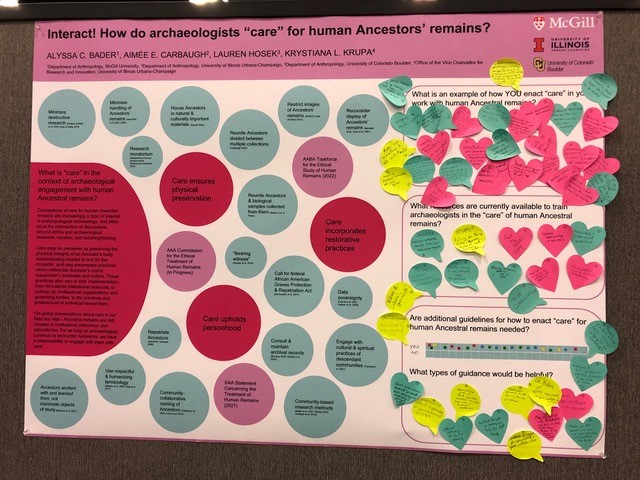
To assess current perspectives on curation and pedagogy related to human osteological remains, we developed a series of interactive presentations for the 2023 and 2024 Society for American Archaeology meetings. Our interactive poster, developed with colleagues with expertise in NAGPRA practices, solicited feedback from meeting attendees on conceptualizations of “care” for human Ancestral remains, including in teaching, curation, and research. Meeting participants who engaged with the poster unanimously responded that additional guidelines for how to care for these individuals are needed. The following year, we co-organized the forum Bones in the Ivory Tower: Considering the Ethics of Teaching with Human Osteological Collections in which we invited scholars to share case studies illustrating an ethical challenge related to osteological collections in universities. The case studies and audience discussion addressed topics including the varied and frequently under-documented histories of teaching collections, how students are prepared to learn with human osteological remains, and ethical concerns about resources like textbooks and reference casts that are also commonly used in osteological training.
We also developed a protocol for site-visits to several universities in Canada and the United States where we planned to interview faculty and staff who engaged with human osteological remains in university teaching or research collections as part of their professional duties. Initially envisioned as the central focus of our project, we had hoped to use these interviews to explore how anthropologists and their students are working in innovative and careful ways to address ethical questions surrounding the osteological remains of individuals housed in university collections for teaching and research. However, after we received IRB/REB approval for the study and began recruiting participants, we realized people were hesitant to discuss institutional histories and practices. As a result, we re-oriented the project to focus on the practices and challenges associated with teaching collections curated at our own institutions. In this way, we hoped to illustrate shared challenges and possible pathways for engaging with and caring for individuals in human osteological teaching collections.
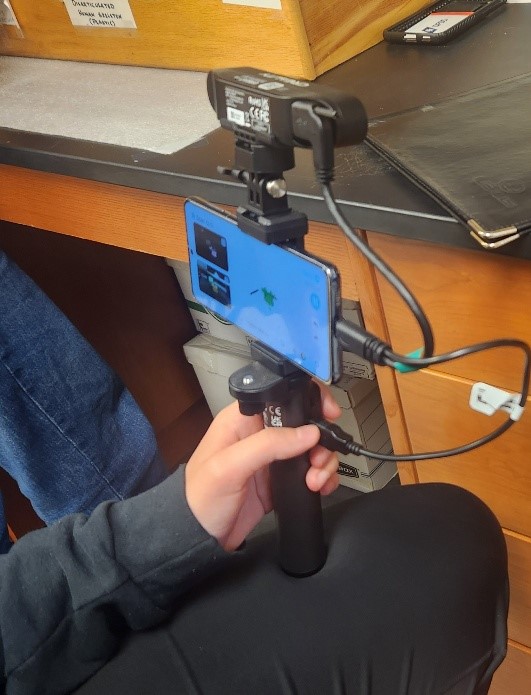
At CU Boulder (Hosek), McGill University, and later at Oregon State University (Bader), we focused on three primary issues related to our institutions’ osteology teaching collections: 1) documenting the history and condition of the collection, 2) revisiting pedagogical engagement with individuals in the collections and emphasizing ethical and respectful classroom practices, and 3) improving curation and care of the individuals in the collections. In keeping with our emphasis on teaching and pedagogy, this work intersected with courses we taught related to human osteology and included the participation of both graduate and undergraduate students. We each travelled to the other’s institution to provide guest lectures that shared insight into the particular contexts of, and challenges with, the human osteological teaching collections curated at our institutions in the US and Canada. Hosek taught an advanced seminar and project-based course entitled Skeletons in the Closet: Curation and Care with Human Remains, which Bader visited to lead a guest discussion on decolonizing laboratory practices. At McGill University, Bader developed an advanced seminar on Decolonizing Archaeology, in which Hosek led a guest discussion on teaching practices with human remains. At OSU, Bader developed an applied, collaborative ethics activity with graduate students enrolled in Human Osteology Lab, in which they reviewed current literature and proposed modifications to the curation practices in the osteology teaching laboratory that reflected evolving best practices. Hosek also visited OSU to compare curational practices for teaching laboratory contexts.
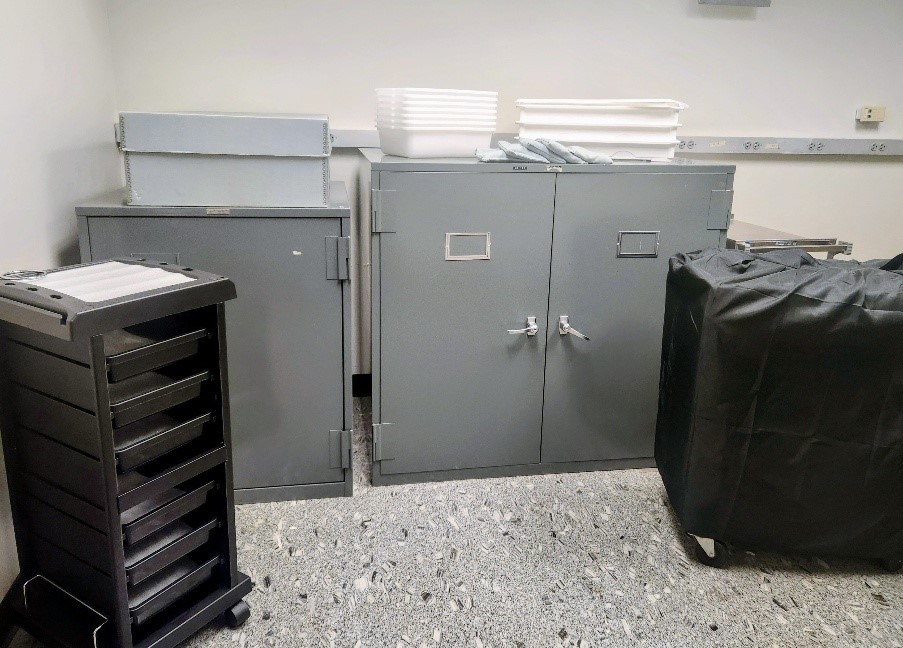
Our products from this project, while still being finalized, are shared online: (https://humanosteo.buffscreate.net/) and are available for download and use by other practitioners and educators. These include (or will include) examples of course syllabi, syllabus statements; laboratory and classroom agreements; handouts for teaching assistants and students outlining best practices, lists of curation and teaching materials and tools for care, handling, and transport of remains; a list of reflective questions and issues for practitioners to consider regarding their own collections. We plan to share more in-depth case studies of our specific contexts and processes in future publications. While it is clear there is no ‘one size fits all’ approach to addressing the myriad of ethical challenges related to human osteological collections within universities, particularly in relation to teaching and training students, we hope that these resources can support others as they navigate this ethical landscape while caring for the individuals within collections at their own institutions.